How Heat Recovery Ventilation Improves Indoor Air High Quality and Reduces Power Prices
Heat Recovery Ventilation (HRV) systems play a crucial role in boosting interior air quality while simultaneously reducing energy expenses. By efficiently exchanging stagnant indoor air with fresh exterior air, HRVs aid maintain optimal moisture and decrease toxins. Furthermore, their capability to recuperate warm from outward bound air minimizes the strain on home heating and cooling down systems. As energy prices continue to climb, understanding the complete potential of HRV systems comes to be progressively essential for property owners and services alike.
Comprehending Heat Recovery Ventilation Solutions

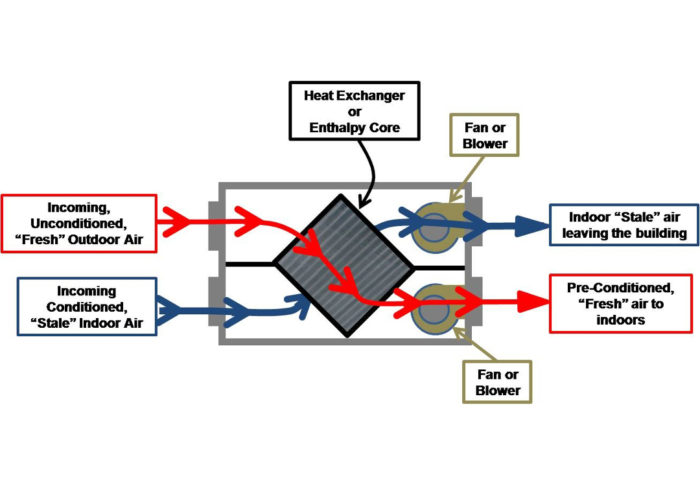
Heat recovery ventilation (HRV) systems play a vital role in improving indoor air top quality, specifically in modern-day, energy-efficient structures. These systems are made to transfer warm from the outbound stale air to the incoming fresh air, thus lessening power loss while keeping optimal temperature level levels inside your home. HRVs are composed of a heat exchanger, followers, and ductwork, assisting in the constant circulation of air. By expelling indoor toxins and presenting fresh air, HRVs assist to balance moisture levels, avoid mold growth, and lower allergens. The performance of HRV systems exists in their capability to recuperate up to 80% of the heat from the tired air, advertising power preservation while guaranteeing a healthy and balanced interior environment. Their combination is crucial in accomplishing sustainable living techniques.
The Significance of Indoor Air Quality
Indoor air quality (IAQ) is a critical variable affecting the wellness and health of passengers in any setting. Poor IAQ can result in various health concerns, consisting of breathing issues, allergic reactions, and exhaustion. In addition, it can exacerbate status quo such as asthma. Factors contributing to low IAQ consist of pollutants from interior resources like cleaning representatives, mold, and inadequate ventilation. Subsequently, keeping good IAQ is crucial for promoting a safe and comfortable living or functioning area. Reliable strategies to enhance IAQ entail routine monitoring of air high quality, proper air flow systems, and minimizing the use of unsafe materials indoors. By focusing on IAQ, individuals can ensure a healthier atmosphere that cultivates performance and general quality of life.
Power Performance Conveniences of HRV Solutions
Lots of home owners and structure supervisors are increasingly identifying the energy performance advantages of warmth recuperation air flow (HRV) systems. By moving heat from tired interior air to incoming fresh air, HRV systems noticeably minimize the energy required for cooling and heating. This process minimizes reliance on standard a/c systems, resulting in reduced power bills. In addition, HRVs aid maintain a balanced indoor climate, avoiding extreme home heating or cooling needs. The ability to recoup up to 90% of the heat from outgoing air additionally supports sustainability initiatives by reducing overall energy consumption. Subsequently, HRV systems contribute not just to cost financial savings but also to a reduced carbon footprint, lining up with the growing emphasis on energy-efficient building practices.
Installment and Upkeep Considerations
The reliable implementation of warmth recuperation ventilation (HRV) systems needs mindful consideration of setup and upkeep factors to guarantee peak efficiency. Correct reference positioning of the HRV device is necessary, as it must be mounted in an area that maximizes air flow while minimizing noise disruption. Additionally, ductwork needs to be appropriately sized and protected to prevent power loss. Regular upkeep, consisting of filter replacement and system cleansing, is crucial to protect ideal capability and interior air top quality. Proprietors need to establish a routine maintenance routine to determine and address prospective concerns prior to they escalate. Partnership with experienced professionals throughout both installation and upkeep stages can improve the long life and effectiveness of HRV systems, ultimately bring about far better interior environments and lowered energy prices.
Real-World Applications and Success Stories
Checking out real-world applications of heat recuperation ventilation (HRV) systems exposes their significant effect on interior air top quality and power efficiency across various setups. In household buildings, home owners have actually reported better air high quality, causing less allergies and respiratory system problems. Schools applying HRV systems have noted improved trainee concentration and decreased absenteeism due to better ventilation. Commercial structures, such as workplaces and retail areas, have experienced lower power expenses and boosted worker efficiency. review For circumstances, a business office in a temperate environment attained a 30% decrease in energy bills after installing an HRV system. These success tales demonstrate that HRV technology not just adds to healthier environments yet additionally supplies tangible economic advantages, making it a useful investment for various industries.
Frequently Asked Inquiries
Can HRV Solutions Reduce Irritants in Indoor Air?
The efficiency of HRV systems in lowering indoor allergens primarily copyrights on their capacity to filter and exchange air. HRV Heat Recovery Ventilation. By constantly changing stagnant air, these systems can significantly decrease allergen degrees throughout interior atmospheres
How Does Humidity Affect HRV System Efficiency?
Moisture greatly influences HRV system performance; high degrees can bring about condensation, reducing effectiveness, while low humidity may enhance air exchange. Balancing humidity is vital for perfect operation and maintaining indoor air quality.
Are HRV Systems Noisy During Procedure?
HRV systems can create varying noise degrees during operation, depending on their design and installation. Some units operate silently, while others might produce obvious audio, specifically at greater air flow settings or when badly preserved.
What Is the Ordinary Life Expectancy of an HRV System?
Can HRV Systems Be Made Use Of in All Environments?
HRV systems can be used in various environments, however their performance might vary - HRV Heat Recovery Ventilation. In extreme temperature levels, changes or supplemental look at here systems may be necessary to guarantee suitable performance and convenience while preserving interior air high quality
Comments on “How HRV Enhances Indoor Air Quality and Better Breathing”